Filming at 4,000 Metres: El Origen and the Potato Producers of Huancayo
At 4,000 metres in Peru’s central Andes, we followed El Origen into the world of native potatoes, direct trade, and the farming communities shaping what comes next.
We stepped off the plane in Jauja at 3,360 metres above sea level. We had been awake since 3:30 in the morning. The flight from Lima took less than an hour, and the view through the window, ridges folding into clouds as the sun came up, was worth the early wake-up. What we were not prepared for was how ready they were.
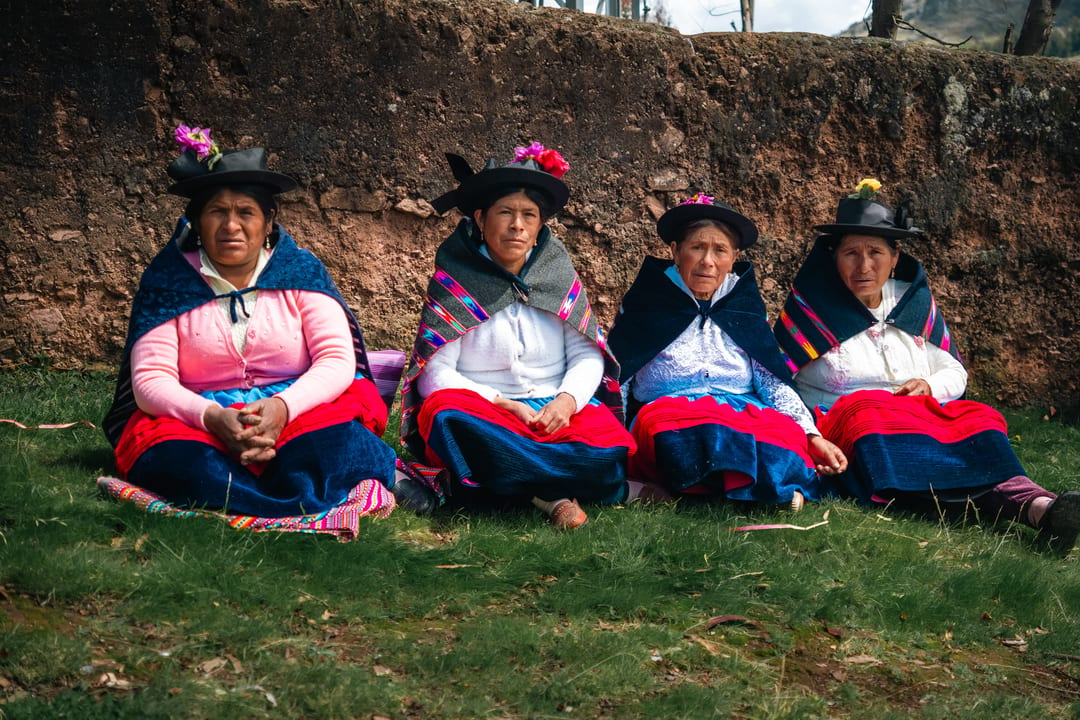
Two women and a driver were waiting for us. One of them works directly with the local producers. She had brought her mother along, dressed in traditional Andean clothes, and both of them were carrying cups of herbal water to help us adjust to the altitude. It is a gesture that says, without any translation needed, that you were expected and you are welcome.
That was day two. Let me start from the beginning.
From Hamburg to the High Andes
El Origen is a food company based in Hamburg. They make organic chips from Latin American ingredients and sell them across Germany and Austria. Their model is direct trade: no brokers, no layers, the farmers and the brand in the same room. They started with plantain and cassava from Ecuador, working with farmer cooperatives, and the Peru trip was part of something earlier in the process. Exploring. Talking to potato producers in the central Andes about what a new product line could look like.
Franci, Karla and Stefan came to Peru to visit the Aymara farming community in the mountains above Huancayo. They invited us to come and document it.
We live in Barichara, a small colonial town in the Colombian mountains. Getting to Peru from there is not a short journey. We left at 5 AM, drove four hours to Bucaramanga through rain and a road scattered with fallen rocks, made the airport on time, waited five hours for the connection, flew to Bogotá, then boarded the long leg to Lima. By the time we landed it was late, and we were already running on less sleep than made sense.
Lima First
There is a specific kind of energy in Lima’s Miraflores neighbourhood at night. You can feel the Pacific even when you cannot see it, and the food is good enough to be a reason to come back on its own. Ceviche, chicha morada, corn that grows larger at altitude than anywhere else because of the minerals in the Andean soil.
Three Thousand Metres Up
The alarm went off at 3:30 AM. We very nearly missed the flight. There was a queue for coffee at the airport that turned out to be longer than expected, and the departure gate did not wait. We made it, but only just.
The flight from Lima to Jauja was almost empty. Mountain ridges in the early light, thin cloud cover, the sun coming up over the cordillera. We landed, were met with warm greetings and herbal water, and drove an hour down into the Mantaro Valley to Huancayo.
Huancayo is a working city. We walked around the Plaza de la Constitución, had lunch, and then most of the group quietly crashed. The altitude does that, even when you slept on the plane and feel fine on arrival. By evening we had recovered enough to find a cafe with live music and a good dinner.
The Aymara Community
The second day was the one we had come for.
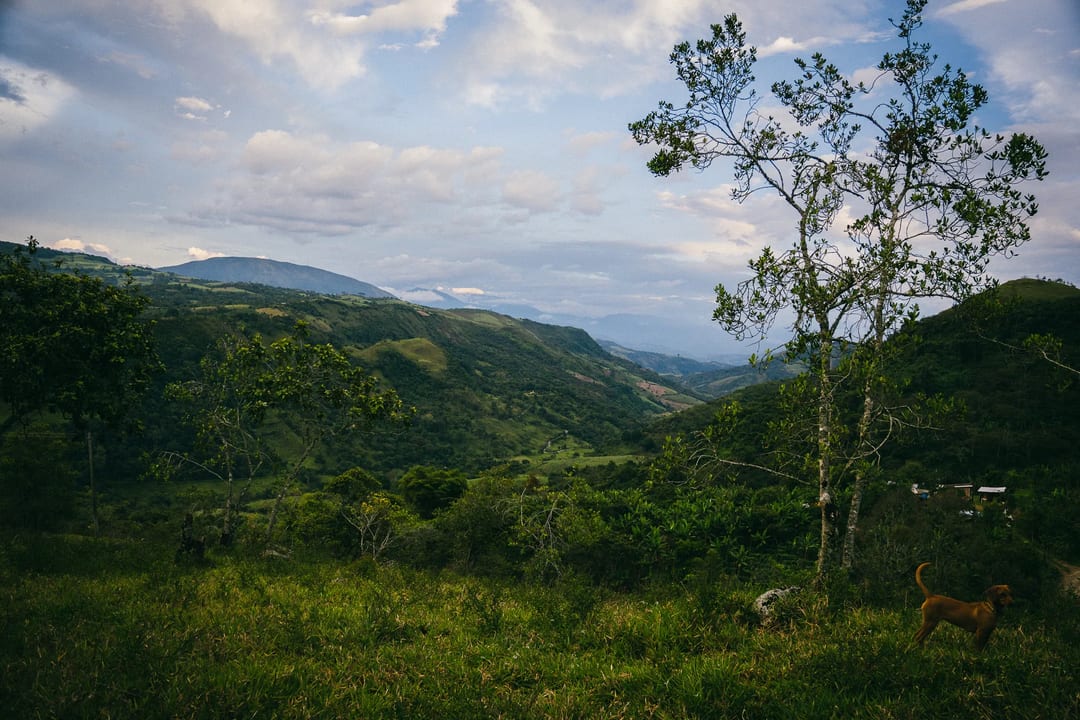
We drove further up into the mountains above Huancayo, into terrain that makes you understand why these potato varieties exist nowhere else on earth. Native potatoes, grown organically at altitude, without industrial inputs, by a community that has been farming this land across generations.
About forty people from the Aymara community came out to meet the El Origen team. The welcome was formal in structure and warm in feeling. Traditional hats, scarves and ponchos were gifted to the visitors. There were speeches. There were dances. And then there was a pachamanca.
If you have not eaten a pachamanca, it is worth explaining. The food is cooked underground, in a pit lined with stones that have been heating over a fire for hours. Meat, potatoes, corn, aromatic herbs. Everything goes in together, covered with leaves and earth, and left to cook slowly in the trapped heat. The Mantaro Valley version uses lamb. What came out was the kind of meal that makes you stop talking and just eat.
We ate kuchi, which is Quechua for pig. The producers described the food as mishkimishki, a Quechua word built from mishki, meaning sweet or delicious, said twice for emphasis. Very tasty. Given what we had just eaten, it seemed like understatement.
After the meal, we walked through the potato fields. We heard from producers about how they farm organically, what the altitude does to the soil and the crop, and what it means for a community this size to have a partner in Hamburg that buys directly from them rather than through layers of intermediaries.
What We Were Actually Doing With a Camera
Embodic on this trip was two people: Cristina producing and running a second camera, and me on the main camera. No full production setup, no equipment truck. Two cameras, a drone, and the willingness to adapt.
Documentary work like this lives or dies on access. You get access when people trust that you are there to represent something real, not to extract a polished image and leave. For El Origen, this was a first meeting with the farmers too. The organisers had made the introductions, the community had opened their doors, and people were genuinely curious about who had come and why. That openness was what gave Cristina room to sit with community members and interview them directly, move through the potato fields without anyone performing for the lens, and get close enough to the pachamanca preparation that the heat came through in the frame.
We flew the drone along the mountain road on the way up. Cristina led the interviews with producers talking about organic farming, about the altitude, and about what the relationship with El Origen actually looks like in their daily work. We filmed the handshakes, the food, the dances, the long drive down.
The constraint of working as a small crew is also a creative one. You cannot control the environment, so you pay closer attention to it. The footage reflects that.
Why This Kind of Work Matters
Supply chains in food are usually invisible. You see a bag of chips in a shop in Hamburg and there is no obvious connection to a family farm at four thousand metres in Peru. El Origen calls their model direct trade, and the Peru trip was a demonstration of what that means before a product even exists: going to the farm, sitting with the producers, eating together.
We are glad we were there to document it. The Andes are not a backdrop. The people growing this food are not background detail. Getting that on camera, without turning it into an advertisement for itself, is the challenge. We think we got close.
FAQ
What is pachamanca?
Pachamanca is a traditional Andean cooking method in which food is cooked underground using hot stones. The word comes from Quechua: pacha means earth and manca means pot. It is a communal ritual that predates the Inca Empire and was declared Peruvian National Cultural Heritage in 2003. The Mantaro Valley version, made around Huancayo and Jauja, traditionally uses lamb.
What does kuchi mean in Quechua?
Kuchi means pig in Quechua. It is used across Andean communities in Peru and Bolivia.
What does mishkimishki mean in Quechua?
Mishki means sweet or delicious in Quechua. Mishkimishki is a reduplicated form of the same word, used for emphasis. It means something close to very tasty or the taste of tastes.
What is El Origen?
El Origen is a Hamburg-based food company that makes organic chips from Latin American ingredients, sold in Germany and Austria. Their model is direct trade with small farmer cooperatives. They started with plantain and cassava sourced in Ecuador, and the Peru trip was part of exploring new ingredients with native potato producers in the central Andes.
Where is Huancayo and how do you get there?
Huancayo is the capital of Peru’s Junín region, located at around 3,250 metres above sea level in the Mantaro Valley. The closest commercial airport is Jauja, roughly one hour by road. There are regular flights from Lima.
Who was the Embodic crew on this production?
Two people: Marty on the main camera and Cristina producing, running a second camera, and handling on-the-ground interviews with community members and local producers. Two cameras and a drone. No dedicated sound crew, no lighting setup. The goal was to move quickly and stay close to what was actually happening rather than staging it.